
Do Alberta Bottle Depots Accept Crushed Cans? Here's What You Need to Know
Are you wondering if Alberta bottle depots accept crushed cans? The answer isn’t straightforward. While some depots do accept crushed cans, others do not. Policies vary by location, so it’s a good idea to check with your local depot to confirm their rules before you go.
Key Takeaways
- Alberta bottle depots have varying policies on accepting crushed cans, so it’s essential to verify with your local depot before recycling.
- Crushed cans can complicate the recycling process due to sorting difficulties and potential safety hazards, leading some depots to prefer uncrushed cans.
- To enhance recycling efficiency, rinse containers, pre-sort by type, and check local guidelines before visiting the bottle depot.
Acceptance of Crushed Cans in Alberta Bottle Depots
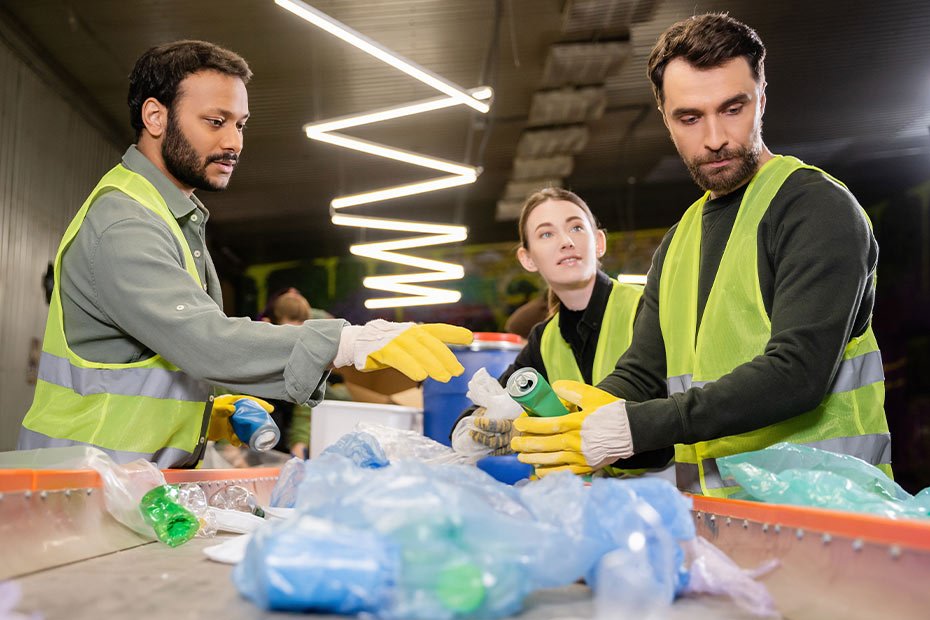
Navigating the recycling landscape in Alberta can be tricky, especially when it comes to crushed cans. Policies on accepting crushed cans differ significantly among bottle depots, with some allowing them while others do not due to operational considerations. This inconsistency can be frustrating if you’re unaware beforehand, so checking local depot guidelines directly before making your trip is crucial.
Each bottle depot may have its own rules. Some are equipped to handle crushed cans, while others find them problematic. A proactive approach—calling ahead or checking online—can save you time and ensure your recycling efforts are not wasted.
Local Depot Policies
Local depot policies do not follow a one-size-fits-all approach. Some bottle depots in Alberta have specific guidelines allowing crushed cans, while others strictly prohibit them. This disparity highlights the importance of verifying with your local depot.
A quick phone call or visit to the depot’s website can clarify their policies, ensuring your recycling efforts are efficient and effective.
Why Some Depots Don’t Accept Crushed Cans
Sorting and identifying aluminum cans is a meticulous process, and crushed cans can complicate this. Certain bottle depots may refuse crushed cans because they make sorting and recycling operations more challenging.
Flat or crushed cans are difficult to count and identify during processing, and heavy bags of crushed cans pose safety risks for staff, making them harder to lift and manage. These operational challenges are why some depots prefer aluminum cans to be returned uncrushed.
Benefits and Drawbacks of Crushing Cans
Crushing cans before recycling seems like an obvious choice due to its space-saving benefits. However, the practice isn’t without drawbacks. While it can make storage and transportation more efficient, it can also complicate the recycling process due to identification and sorting challenges.
Space-Saving Benefits
Flattened cans occupy significantly less space, making storage and transportation more efficient. This can be particularly helpful if you have a large quantity of cans to store before heading to the depot.
Additionally, fewer trips to the depot save time and fuel, reducing transportation emissions and making your recycling efforts even more environmentally friendly.
Potential Issues
Despite the space-saving advantages, crushed cans can lead to issues during the recycling process. Many depots require cans to be returned uncrushed to facilitate easier sorting and processing. Crushing cans may result in misidentification and contamination, causing problems in the recycling chain.
Some depots also find it challenging to process crushed cans, leading to inconsistent acceptance policies. While crushing cans might seem practical, it’s important to weigh these potential issues before deciding.

Best Practices for Recycling Aluminum Cans
Follow these best practices to ensure your aluminum cans are accepted at most depots. They make recycling smoother and help maintain the quality of recycled materials.
Rinse Your Cans
Rinsing your cans thoroughly is an essential step in preparing them for recycling. Emptying the cans of their contents and rinsing them helps prevent contamination, which can negatively impact the recycling process. Clean cans also help eliminate residues that cause foul odours and attract pests.
Ensuring your cans are free of liquids or food residues makes them cleaner and more acceptable to recycling depots. This simple step can significantly improve the efficiency and effectiveness of the overall recycling process.
Sorting and Pre-Sorting
Sorting your containers by size and type before visiting the depot can speed up processing times. Grouping similar containers improves efficiency during the return process, making it quicker for you and the depot staff.
Pre-sorting and counting your containers streamlines the deposit refund process and ensures you receive the correct refund amount. Organizing in advance can make your visit smoother and more efficient.
Check Local Guidelines
Before recycling, it’s essential to check local guidelines to understand specific depot policies, particularly regarding crushed cans. Local government websites and online directories can help you locate Alberta bottle depots and learn about their specific rules.
Rinsing and drying your cans before recycling improves their cleanliness and reduces contamination risks. This practice enhances the quality of recycled materials and ensures your efforts align with local guidelines.
Understanding the Recycling Process in Alberta
Alberta’s recycling process ensures the proper management and processing of beverage containers. This system emphasizes efficiency and environmental sustainability, making it easier for residents to contribute to recycling efforts.
Understanding how this process works helps you prepare your containers properly for recycling. Familiarizing yourself with the roles of bottle depots and the Beverage Container Management Board (BCMB) is key to appreciating the system’s effectiveness.
Role of Bottle Depots
Bottle depots are central to Alberta’s recycling system, serving as collection and processing points for empty beverage containers. They handle various container types, including aluminum, glass, and polyethylene terephthalate (PET) plastics.
At the depots, containers are sorted into specific categories to ensure proper recycling. This underscores the importance of preparing your containers—such as rinsing and sorting them—before dropping them off. Proper preparation makes the process more efficient for you and the depot staff.
Beverage Container Management Board
The Beverage Container Management Board (BCMB) oversees Alberta’s recycling process by regulating return rates and ensuring efficient practices. The BCMB is vital in maintaining environmental sustainability within the province’s recycling system.
By monitoring the system, the BCMB ensures that recycling efforts are effective, eco-friendly, and aligned with Alberta’s environmental goals.
Common Misconceptions About Aluminum Can Recycling
Misconceptions about aluminum can recycling are widespread, particularly regarding crushing cans. Flattened cans can lead to misidentification in recycling streams, as their shape may obscure non-recyclable materials. Addressing these myths can help ensure more effective recycling practices.
One of the most common misconceptions is that all bottle depots accept crushed cans, which is not always true. Clarifying these myths can help you prepare your cans for recycling.
Myth: All Depots Accept Crushed Cans
A common misconception is that all bottle depots in Alberta accept crushed cans. In reality, acceptance varies by location. Some depots may have specific guidelines prohibiting crushed cans, so checking local policies before recycling is essential.
Believing this myth can lead to disappointment if a depot rejects your crushed cans. Verifying local depot policies ensures a smooth recycling experience.
Myth: Crushing Always Saves Space
While crushing cans can save space, it’s not always the best approach. Some depots may reject crushed cans due to difficulties with identification and sorting, which can negatively impact the recycling process. Crushed cans can also lead to misidentification and contamination.
Although crushing cans can make storage more efficient, ensure your local depot accepts them to avoid rejection.
Tips for a Smooth Trip to the Bottle Depot
Preparation of beverage containers is essential to ensuring a smooth trip to the bottle depot. Safely store your cans and bottles until you’re ready to recycle them, and don’t hesitate to contact your local bottle depot if you have specific questions about their policies.
Rinsing your containers is a crucial step to reduce odours and germs, helping to maintain a cleaner and more pleasant environment for everyone. Additionally, counting and labelling your bags in advance can help you estimate your refund and speed up the process during your visit.
Organize Ahead of Time
Organizing your containers before your visit can lead to a smoother and faster refund process. Sorting them by type and size helps expedite checking and processing at the depot.
Pre-sorting enhances efficiency and ensures you receive the correct refund amount, making your visit more streamlined and hassle-free.
Use Proper Storage Methods
Proper storage is essential to keep your containers in good condition for recycling. Use carton boxes to store glass containers safely and prevent damage. Also, avoid crushing cans or bottles, as this can cause complications during recycling.
Summary
Navigating Alberta’s recycling process, especially regarding crushed cans, requires understanding local depot policies and weighing the benefits and drawbacks of crushing cans. Following best practices—such as rinsing and organizing containers—can make the process smoother and more efficient.
You can save time and ensure effective recycling efforts by checking local guidelines and verifying depot policies. Embrace these practices to contribute to a more sustainable environment.
Frequently Asked Questions
Do all Alberta Bottle Depots accept crushed cans?
Not all Alberta bottle depots accept crushed cans. It is crucial to verify the specific policies of your local depot.
Why do some depots not accept crushed cans?
Some depots do not accept crushed cans because they complicate the sorting process and pose safety risks for staff. Following depot guidelines ensures efficient recycling.
What are the benefits of crushing cans before recycling?
Crushing cans can save space and enhance storage and transportation efficiency. However, confirm that your local depot accepts crushed cans to maximize this benefit.
How should I prepare my cans for recycling?
Thoroughly rinse cans to remove residues and sort them by type and size to streamline processing at the depot.
What role does the Beverage Container Management Board play in Alberta’s recycling process?
The Beverage Container Management Board (BCMB) regulates return rates and oversees the recycling process in Alberta, ensuring efficient practices and promoting environmental sustainability.

Callingwood Bottle Depot
6408 177 Street NW
Edmonton, AB, T5T 4J5
Depot Direct Line: 780-415-5240
Fax: 780-469-4033
E-Mail: Info@callingwoodbottledepot.ca
Monday – Saturday 9 AM – 5:30 PM
Sunday 9:30 AM – 5 PM
Servicing West Edmonton