
How to Maximize Your Bottle Depot Refund in Edmonton: Sorting Tips for a Faster Visit (2026 Guide)
Getting the most out of your bottle depot visit isn’t complicated—but it does require a bit of planning. Whether you’re returning a week’s worth of beverage containers or clearing out months of empties from the garage, how you prepare can make the difference between a quick 10-minute stop and an hour-long ordeal.
This guide breaks down exactly how to maximize your deposit refund at the Callingwood Bottle Depot in Edmonton, Alberta. You’ll learn which containers qualify for refunds, how to sort like a pro, and simple strategies to cut your wait time in half.
Key Takeaways
- Containers under 1 L refund 10¢, while containers 1 L and larger refund 25¢. Only eligible beverage containers qualify.
- Separate materials at home, empty and rinse containers, and keep barcodes readable to avoid delays or rejected items.
- Visit during quieter times, such as weekday mornings, avoid common sorting mistakes, and maintain a regular system to save time and maximize refunds.
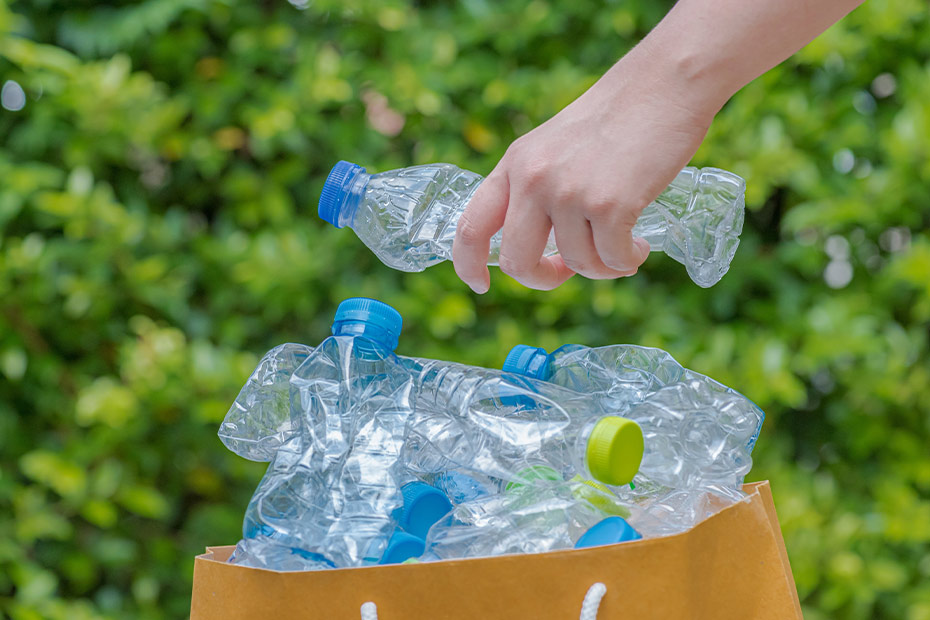
Start Here: Fast Tips to Get the Biggest Refund at Callingwood Bottle Depot
Callingwood Bottle Depot, located in West Edmonton, Alberta, processes thousands of recyclable container returns every week. Under Alberta’s current deposit program, you receive 10 cents for containers under 1 litre and 25 cents for containers 1 litre and larger—an amount that adds up quickly when you’re organized.
Before diving into the details, here are some quick wins that will save you time and hassle:
- Pre-sort at home by material type (aluminum cans, plastic bottles, glass bottles, cartons).
- Leave caps on plastic bottles—most depots now recommend this to ensure proper recycling. Remove lids from glass bottles before bagging.
- Give containers a quick rinse to remove sticky residue.
- Don’t crush cans or bottles beyond recognition; barcodes and labels must remain readable for high-speed counting machines.
- Leave non-refundable items at home (food jars, tin cans, yogurt tubs don’t qualify).
- Separate containers under 1 litre from those 1 litre and larger for faster counting.
- Use clear bags or labelled boxes so staff and machines can quickly identify contents. Do not exceed maximum weight or capacity limits to ensure safe handling.
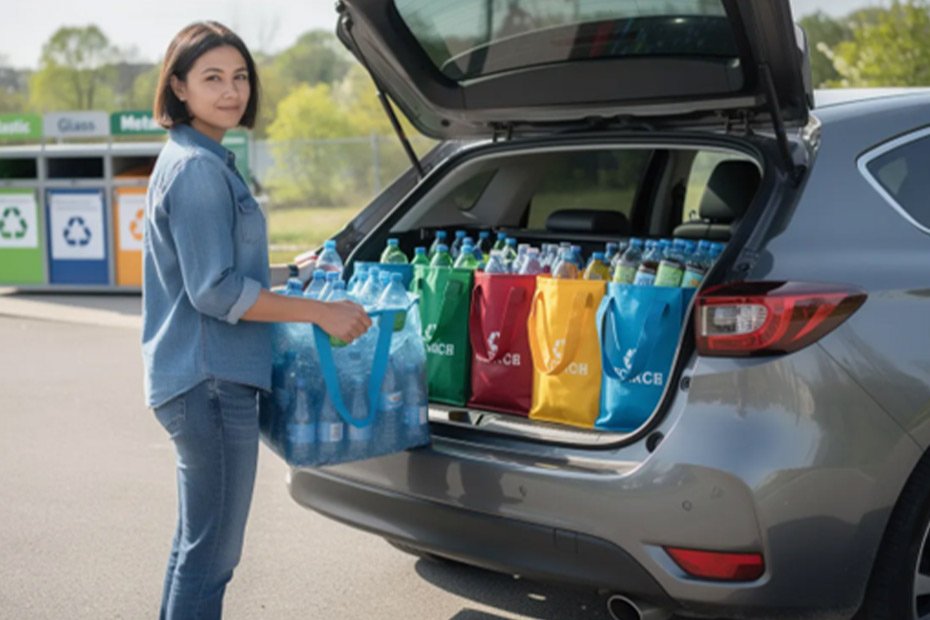
For transport, use sturdy bins, reusable bags, or boxes, and avoid flimsy plastic bags that can tear. Durable clear bags, boxes, or original cases are ideal for keeping containers secure and facilitating easier sorting.
A clean, well-sorted load can cut your depot time in half. Staff can count faster when materials are organized, which means you walk out with cash sooner. These tips apply specifically to beverage containers accepted under Alberta’s deposit program.
Know What Pays a Refund in Alberta
Alberta’s Beverage Container Recycling Program determines which containers are eligible for a deposit refund. Callingwood Bottle Depot follows these provincial rules exactly, so understanding what qualifies will save you from bringing items that won’t be accepted.
The Two Refund Rates
- 10 cents for containers under 1 litre (e.g., 355 mL pop cans, 500 mL water bottles)
- 25 cents for containers 1 litre and larger (e.g., 2 L soda bottles, 1.89 L juice jugs)
Containers That Pay a Deposit Refund
- Aluminum cans — pop, beer, energy drinks, sparkling water, iced tea
- Plastic bottles — water, juice, pop, sports drinks, ready-to-drink coffee
- Glass bottles — beer, wine, spirits, coolers, specialty sodas
- Tetra Pak drink boxes — juice boxes, plant-based milk cartons, boxed wine
- Gable-top cartons — milk containers, cream, some juice brands
- Aluminum beverage bottles — certain energy drinks and premium waters
As of 2024, most ready-to-drink milk and plant-based beverage containers in Alberta carry deposits and can be returned. This includes standard milk cartons and many alternative milk products. Always check the container for the Alberta deposit marking to confirm eligibility.
Common Items People Mistakenly Bring
These items don’t qualify for refunds at the bottle depot—take them to your blue bin or an Eco Station instead:
- Food jars (spaghetti sauce, pickles, salsa)
- Household cleaner bottles (dish soap, laundry detergent)
- Cooking oil jugs
- Yogurt tubs and food containers
- Tin cans (soup, vegetables, pet food)
- Paper coffee cups (even with plastic lids)
- Scrap metals and electronics
Leaving these at home means less to carry and a smoother, more efficient experience at the counter. Non-refundable recyclables can still be diverted responsibly through curbside recycling or specialized drop-off locations.
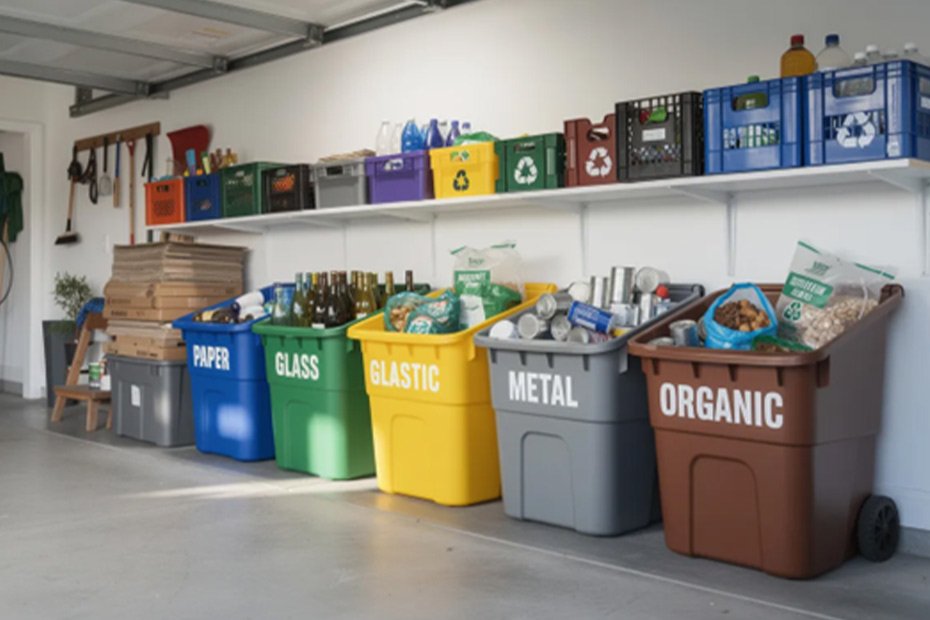
Sort at Home by Material Type for a Faster Counter Visit
Callingwood Bottle Depot operates as a traditional over-the-counter service. Staff count your containers while you wait, and good pre-sorting can significantly speed up the process. When depot staff can quickly identify and count each material type, you benefit from shorter wait times and faster access to your refund.
Create 4–6 Sorting Groups at Home
Set up a simple system using these categories:
- Aluminum cans — all sizes, from tiny energy shots to tall boys
- Plastic bottles — water, pop, juice (clear and coloured together is fine)
- Glass bottles — beer, wine, spirits (keep in cases when possible)
- Drink boxes and cartons — Tetra Pak and gable-top milk containers
- Large containers (1 L+) — separate these for the 25-cent refund
- Specialty items — aluminum beverage bottles or unusual container types
Bag and Box Strategies
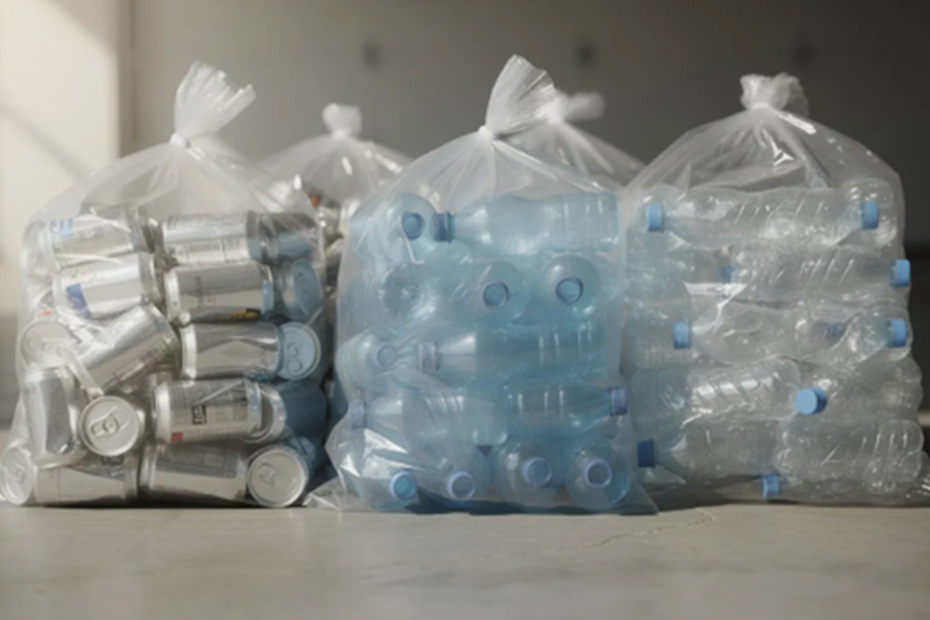
- Use clear garbage bags so contents are visible at a glance.
- Sturdy cardboard boxes work well for glass—reuse beer cases when possible.
- Reusable totes are ideal for regular depot customers.
- Pack bags loosely so staff can grab and count quickly; avoid overstuffing.
Consider labelling bags with a marker. Writing “ALUMINUM,” “PLASTIC 1 L+,” or “GLASS” takes seconds but reduces questions at the counter. This small step helps depot staff process your return efficiently and gets you in and out faster.
Size Separation Saves Time
If you have both under-1 L and 1 L+ containers made of the same material, separating them can speed up the counting process. This is especially important for:
- Plastic bottles (500 mL water bottles vs. 2 L pop bottles)
- Glass bottles (standard beer bottles vs. large wine bottles)
Keep hazardous materials completely separate from non-hazardous materials, such as beverage containers. Batteries, propane cylinders, electronics, and other similar household items should never be placed in the same bags. These items require specialized recycling and can create safety issues at the depot.
Clean, Empty, and Safe: How to Prep Containers Before You Go
Clean, properly emptied containers are processed more quickly. They’re also more pleasant to handle—for you, depot staff, and everyone in line. This is especially important during warm Edmonton summers, when leftover residue can cause odours and attract pests.
Three Key Rules for Container Prep
- Empty completely
Shake out all remaining liquid. Evensmall amounts add weight and can leak during transport. A few drops left in a 2L bottle, multiplied by 50 containers, can quickly create a mess nobody wants. - Quick rinse
Youdon’t need soap—just a quick splash of water swished around the container removes sticky residue. Focus on juice containers, milk cartons, and other sugary products. This prevents containers from sticking together and helps avoid jams in processing equipment. - Don’tcrush beyond recognition
Crushed cans or bottles with unreadable barcodes can’t be processed through automated systems. Deformed containers may be rejected entirely, resulting in the loss of your deposit refund. Keep containers intact enough for staff to identify the type and read visible codes.
Caps and Lids
You generally don’t need to remove labels, and leaving caps on plastic bottles is often acceptable—or even preferred. Depots have systems to handle caps, tabs, and labels, so it’s usually best to leave them on. Loose caps can typically go in the same bag if the depot accepts them for recycling—check with staff for local practices.
Glass Safety
- Keep glass bottles in original cases whenever possible.
- Use sturdy boxes rather than thin plastic bags for loose glass.
- Never overfill bags; broken glass is dangerous for everyone.
- Leave cracked or shattered glass at home (these belong in regular garbage).
Edmonton Winter Tip
Drain all liquid from containers to prevent freezing. Frozen bottles can split in your vehicle or at the depot, creating leaks and making containers unacceptable for return. A few minutes of prep the night before can save headaches on cold January mornings.
Plan Your Trip: Timing, Volume, and Lineup-Saving Strategies
To avoid busy periods, plan your visit during weekdays or early mornings for the quickest experience.
Callingwood Bottle Depot is a popular West Edmonton location, so timing is crucial. The difference between a 5-minute visit and a 30-minute wait often comes down to when you arrive—and how well your containers are organized.
If you have a large volume of containers, consider calling the depot in advance to arrange a convenient drop-off time.
Many bottle depots also offer services designed to save time and effort, including full-sort recycling, no-sort options, and pickup services for added convenience.
Best Times to Visit
Quieter periods typically include:
- Weekday mornings, especially Tuesday through Thursday
- Mid-afternoon on weekdays
- Days that aren’t immediately after long weekends or holidays
Expect longer lines during:
- Saturday mornings and early afternoons
- Late afternoons on any day of the week
- The first few days after long weekends, when empties have accumulated
Managing Large Loads
If you’re bringing five or more large bags—or a truck bed full of containers:
- Allow extra time for unloading and counting.
- Consider splitting your return into multiple trips during slower hours.
- Visit on a weekday morning, when staff typically have more space to work.
Smart Loading Tips
Bring simple helpers:
- A cart or dolly if you’re parking far from the entrance
- Gloves for handling bags (especially helpful in winter)
- Reusable boxes you can keep for future depot visits
Organize your vehicle:
- Group all aluminum bags together.
- Keep glass separate and well secured to prevent shifting.
- Load in reverse order of how you’ll unload—containers you need first should be loaded last.
Common Sorting Mistakes That Shrink Your Refund (and How to Avoid Them)
Depot staff see the same issues week after week. Avoiding these common mistakes helps you keep more money in your pocket and ensures faster service for everyone.
Mistake 1: Mixing Refundable and Non-Refundable Items
Throwing food jars, tin cans, or household bottles into depot bags forces staff to manually sort through everything.
Fix it: Only bag items with Alberta deposit markings. When in doubt, check for the recycling symbol and deposit amount printed on the container.
Mistake 2: Leaving Liquid in Containers
Half-empty bottles leak, create odours, and add unnecessary weight. Staff may need to handle your bags more carefully, which can slow down the counting process.
Fix it: Empty and quickly rinse all containers the night before your trip. Even a few seconds per bottle prevents problems.
Mistake 3: Heavily Crushing Cans or Bottles
While crushing saves space, containers smashed beyond recognition can’t be identified or scanned. Barcodes on fully flattened cans become unreadable.
Fix it: Light crushing is fine for aluminum cans—just keep them identifiable. Never crush plastic bottles or glass.
Mistake 4: Hiding Garbage or Food Waste
Some customers bury non-recyclables or food waste at the bottom of bags, hoping they’ll slip through. Staff always check, which slows down service for everyone.
Fix it: Be honest with your load. Keep depot bags limited to eligible beverage containers only.
Mistake 5: Mixing Glass Loosely with Metal and Plastic
Loose glass bottles shifting against aluminum cans create noise, increase the risk of breakage, and complicate the counting process.
Fix it: Always keep glass in separate bags or boxes. Use original beer cases whenever possible.
Mistake 6: Bringing Dirty, Sticky, or Smelly Bags
Containers coated in residue or producing strong odours require extra handling, which affects how quickly you receive your refund.
Fix it: A quick rinse and air-dry solve most issues. Store containers in a cool, dry place between depot visits.
Being organized with your containers helps maintain fast service and positive relationships with depot staff, which ultimately benefits you as a regular customer.
Support Your Community Through Bottle Drives
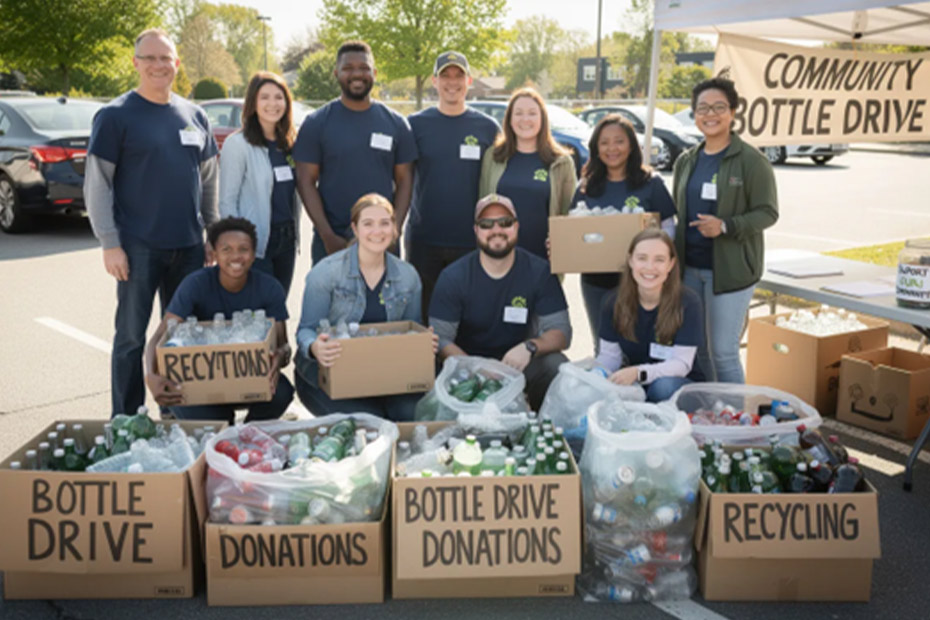
Bottle drives are a popular and impactful way to support schools, charities, sports teams, and community groups in Alberta. A bottle drive involves collecting refundable beverage containers from households, businesses, or events and returning them to a bottle depot for cash refunds. The funds are often used for community programs, fundraising goals, or local projects.
Participating in or organizing a bottle drive is a simple way to encourage recycling while giving back to your community. Many depots offer assistance and can help coordinate large collections, making bottle drives convenient and accessible for everyone.
Extra Ways to Make Your Trip Count
Beyond one-time visits, Edmonton families, teams, and community groups can establish simple systems that convert Callingwood Bottle Depot refunds into ongoing savings or effective fundraising opportunities.
Many depots now offer Drop & Go services, which allow you to drop off pre-tagged bags of unsorted containers and receive your refund later by e-transfer or cheque. These services are typically managed through an online account, making it easy to track, accumulate, and manage your deposit returns digitally.
Once your refund is processed, funds can be transferred directly to your bank account for added convenience.
Using a bottle depot also enables residents to recycle a broader range of materials, ensuring that more items are properly processed and reused, which supports both environmental goals and community initiatives.
Set Up a Home Collection System
Create permanent sorting stations so organization happens automatically:
- Label bins or bags in your garage or mudroom: “CANS,” “BOTTLES,” “CARTONS.”
- Ask family members to rinse and sort containers as they’re emptied.
- Keep a running count on a whiteboard to track progress toward savings or fundraising goals.
- Schedule regular depot trips—weekly or bi-weekly works well for most households.
This approach ensures that sorting occurs gradually as containers are used, rather than in a rushed session on the morning of your depot visit.
Organize Community Bottle Drives
Schools, sports teams, and community groups in West Edmonton can run successful bottle drives with proper planning:
- Advertise collection dates through schools, social media, and neighbourhood apps.
- Provide clear instructions about which containers are accepted.
- Pre-sort all collected materials before bringing bulk loads to Callingwood Bottle Depot.
- Contact the depot in advance if you’re expecting an unusually large volume.
Depot staff can often provide guidance and support for organizing and processing large community bottle drives. Reaching out ahead of time helps ensure access to expert assistance and a smooth, efficient operation.
Proper sorting is essential for large returns—unsorted bulk loads can significantly delay processing and result in longer refund times.
Make Refunds Count
Designate specific uses for your refund money to make the effort feel more rewarding:
- Kids’ savings goals — sports fees, field trips, or special purchases
- Family fun fund — movie nights, restaurant outings, or day trips
- Vacation savings — watch your travel fund grow week by week
- Emergency cushion — small deposits add up over time
Support Local Charity
Some customers choose to donate their refunds to support community causes. If you’re interested in charitable giving through bottle returns, contact Callingwood Bottle Depot directly to ask about any current community or fundraising support options they may offer.
Restaurants, offices, and other businesses with high container volumes may also benefit from establishing regular depot relationships. Ask about pickup services or bulk-processing options designed for commercial accounts.
Callingwood Bottle Depot: Fast, Friendly Recycling in West Edmonton
Callingwood Bottle Depot is a trusted recycling hub serving West Edmonton and surrounding communities, known for making bottle returns fast, easy, and reliable. With courteous staff, an automated counting system, and real-time refund tracking, the depot is designed to get you in and out efficiently while ensuring accurate payouts. Beyond everyday bottle returns, Callingwood Bottle Depot supports local schools, teams, and charities through bottle drives, offers convenient pickup services for businesses, and remains committed to keeping Edmonton clean and environmentally responsible. Whether you’re dropping off a small bag of empties or organizing a large return, you can count on friendly service and a smooth experience every visit.
Support Your Community Through Bottle Drives
Bottle drives are a popular and impactful way to support schools, charities, sports teams, and community groups in Alberta. A bottle drive involves collecting refundable beverage containers from households, businesses, or events and returning them to a bottle depot for cash refunds. The funds are often used for community programs, fundraising goals, or local projects.
Participating in or organizing a bottle drive is a simple way to encourage recycling while giving back to your community. Many depots offer assistance and can help coordinate large collections, making bottle drives convenient and accessible for everyone.
Summary
A well-sorted load leads to faster service, accurate counting, and full refunds—putting more cash back in your pocket. Whether you’re returning a small weekly batch of empties or coordinating a large community bottle drive, taking a few extra minutes to sort and prepare your containers makes every visit more efficient and stress-free.
These simple strategies help reduce wait times, prevent rejected containers, and ensure depot staff can process your return quickly and safely. Over time, consistent sorting and smart trip planning can turn bottle returns into a reliable source of extra savings or fundraising support.
Ready to put these tips into action? Start with just one properly sorted bag this week and see the difference for yourself. Visit Callingwood Bottle Depot in West Edmonton to redeem your containers and collect your full deposit refund today.
Frequently Asked Questions (FAQs)
What are the bottle depot refund rates in Alberta?
In Alberta, beverage containers under 1 litre are refunded 10 cents, while containers 1 litre and larger are refunded 25 cents, as long as they are eligible under the provincial deposit program.
Do I need to sort my containers before visiting Callingwood Bottle Depot?
Pre-sorting by material type (aluminum, plastic, glass, cartons) and separating under-1 L and 1 L+ containers significantly speeds up counting and reduces wait times.
Should I remove caps and labels from bottles?
No. Labels can stay on, and caps on plastic bottles are usually accepted and often preferred. Glass bottle lids should be removed before returning.
What items are not accepted at the bottle depot?
Non-refundable items include food jars, tin cans, yogurt tubs, household cleaner bottles, paper coffee cups, scrap metal, and electronics. These should be placed in your blue bin or taken to an Eco Station.
What is the best time to visit Callingwood Bottle Depot?
Weekday mornings—especially Tuesday through Thursday—are typically the quietest. Avoid Saturday mornings, late afternoons, and days following long weekends for shorter lines.

Callingwood Bottle Depot
6408 177 Street NW
Edmonton, AB, T5T 4J5
Depot Direct Line: 780-415-5240
Fax: 780-469-4033
E-Mail: Info@callingwoodbottledepot.ca
Monday – Saturday 9 AM – 5:30 PM
Sunday 9:30 AM – 5 PM
Servicing West Edmonton